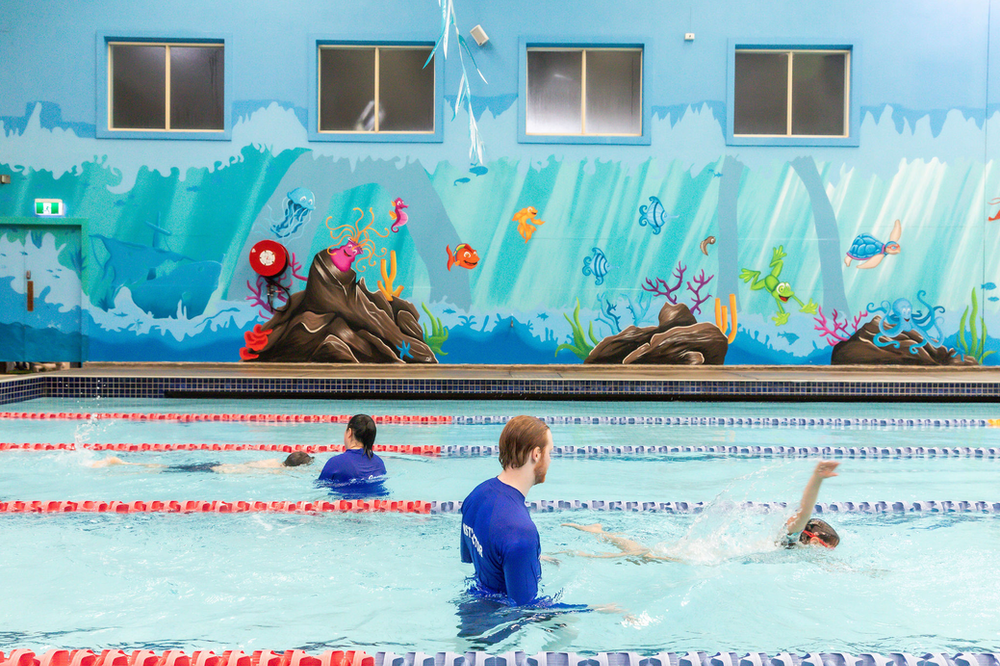
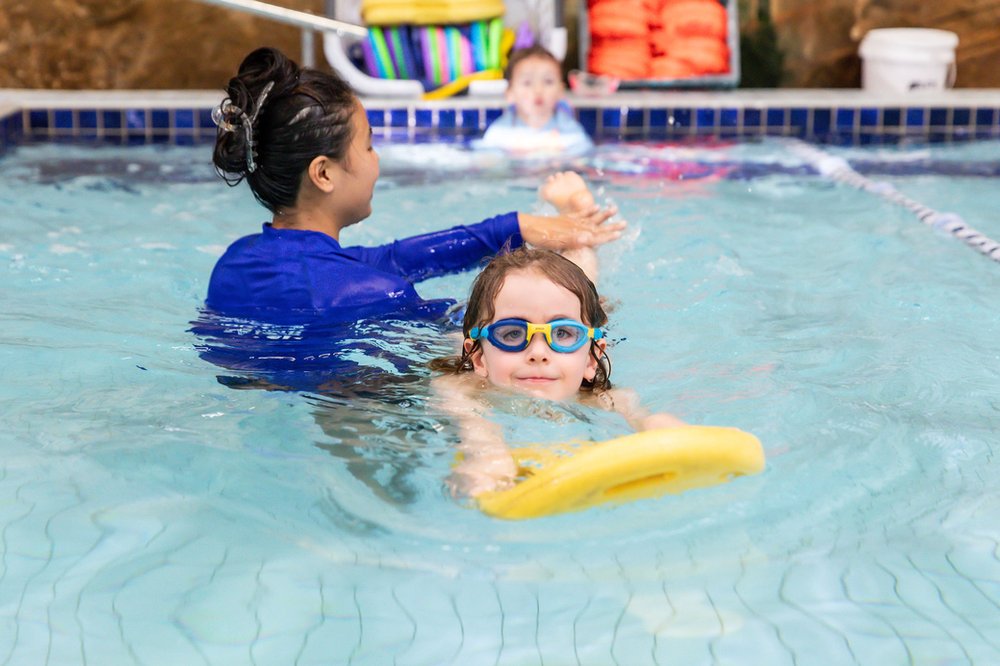
Early Childhood Swim Lessons for Confidence and Safety
INTRODUCTION
Early
childhood swim lessons help children build water confidence, develop safety awareness, improve coordination, and establish positive swimming habits from a young age. Learning to swim early gives children gradual exposure to water in a supportive environment where they can become more comfortable and confident over time.
At Col Jones Swim Tempe, early swimming programs are designed to support both emotional comfort and foundational skill development through structured, age-appropriate instruction.
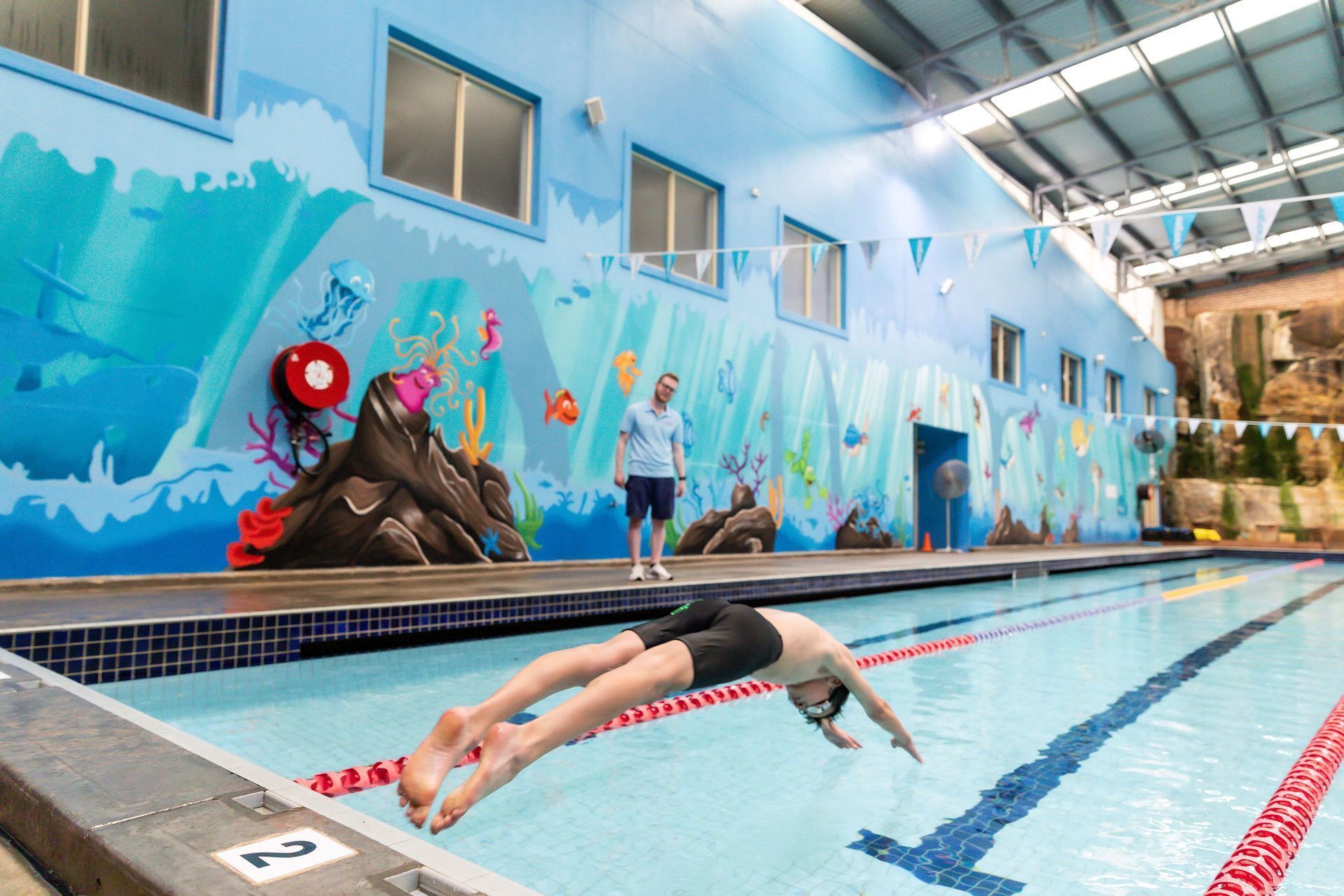
Key Takeaways
- Early swim lessons help children become more comfortable in the water.
- Structured instruction supports confidence, coordination, and safety awareness.
- Positive early swimming experiences can encourage long-term participation.
- Consistent lessons help young swimmers retain skills more effectively.
- Gradual progression helps children develop confidence without feeling overwhelmed.
Why Early Childhood Is an Important Time to Learn Swimming
Early childhood is often one of the best stages to introduce swimming because children are actively developing movement control, coordination, and confidence. During these years, young learners typically respond well to repetition, routine, and guided activities that encourage familiarity and gradual progression.
The original Col Jones Swim Tempe page explains that early swimming exposure helps children become more comfortable around water while learning foundational safety and movement skills progressively.
Rather than focusing immediately on advanced swimming techniques, early childhood programs are designed to help children feel safe and supported while becoming familiar with the water environment. That gradual approach often creates stronger long-term confidence because children are given time to adapt emotionally and physically at a pace suited to their developmental stage.
Many young swimmers become noticeably more relaxed after repeated exposure to familiar lesson routines, supportive instructors, and positive reinforcement. As confidence improves, children are often more willing to participate actively and attempt new skills during lessons.
Building Water Confidence Through Supportive Instruction
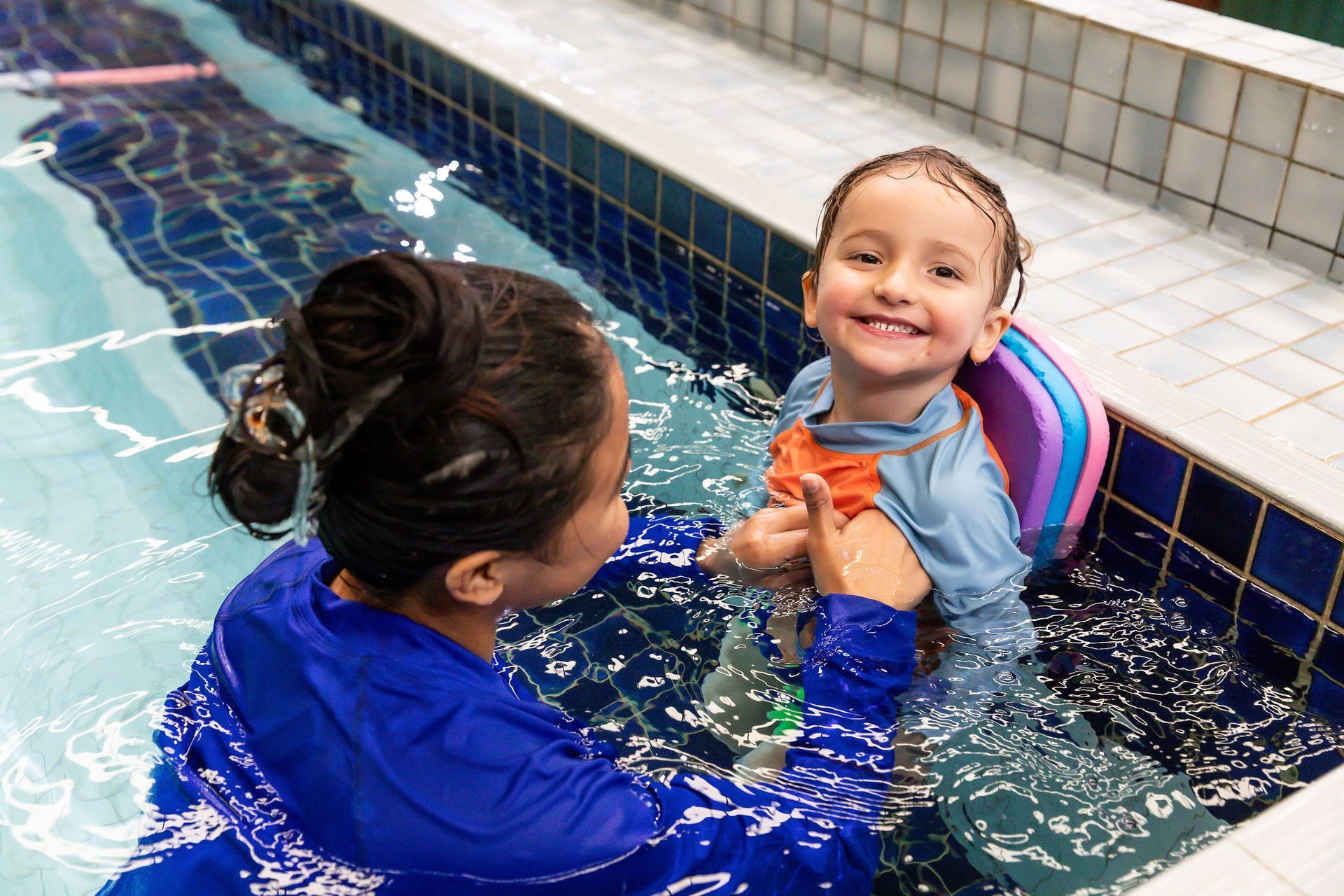
Water confidence is one of the most important foundations in swimming development. Children who feel calm and secure in the water are usually more receptive to learning movement skills, listening to instructions, and progressing steadily through lessons.
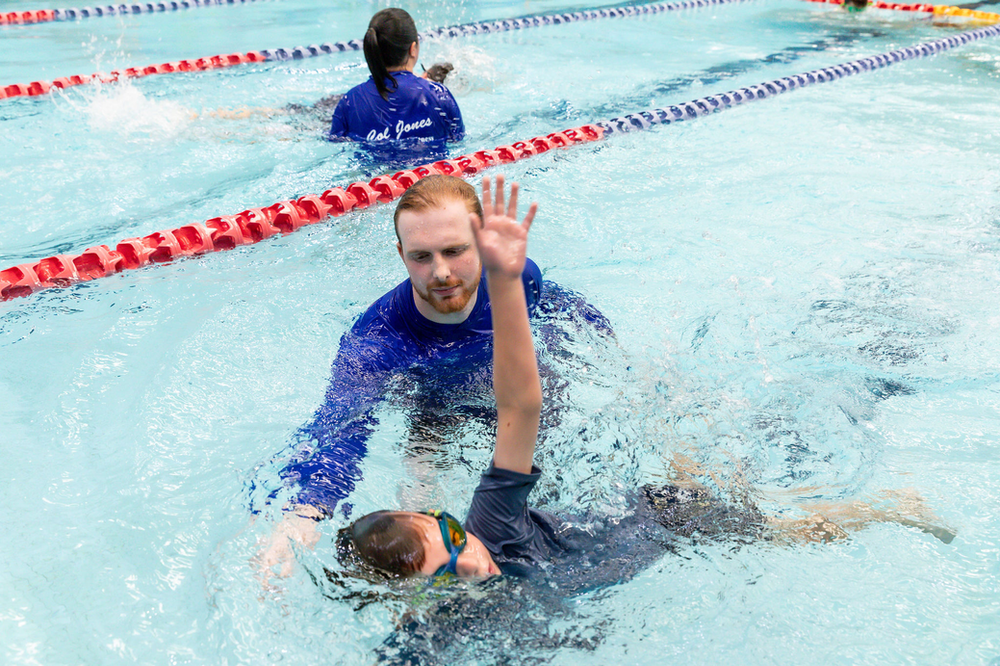
At Col Jones Swim Tempe, instructors focus on helping swimmers build trust and familiarity gradually through structured activities designed specifically for younger learners. The school’s approach introduces foundational skills in manageable stages so children can experience success consistently without becoming overwhelmed.
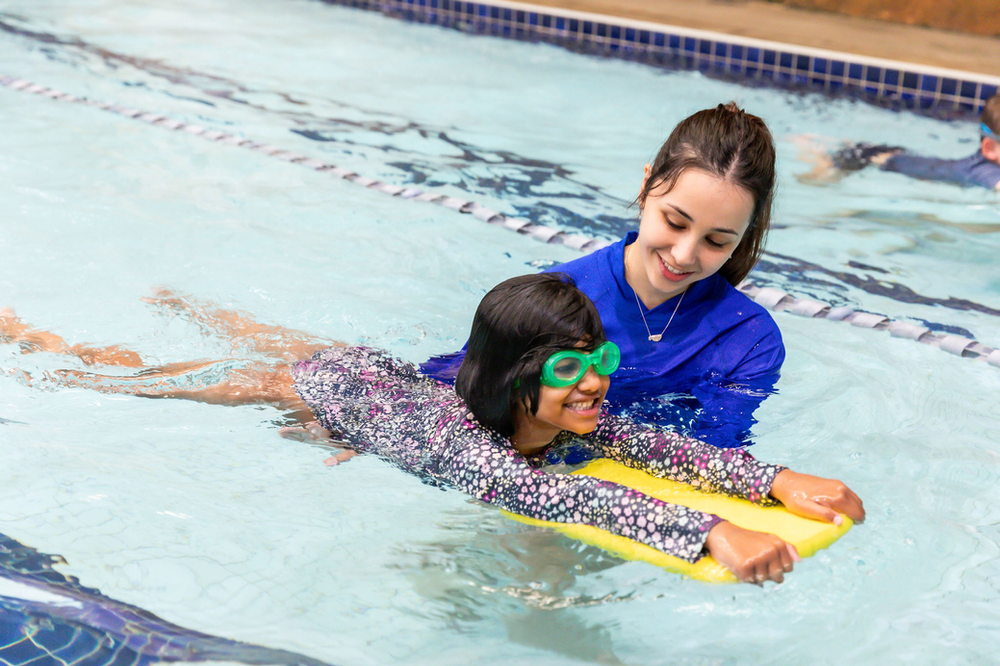
Confidence often develops through repeated practice with simple but important activities such as floating, controlled kicking, submersion exercises, and guided movement through the water. Over time, these experiences help many swimmers become more independent and comfortable during lessons.
Supportive instruction also plays an important role emotionally. Positive reinforcement and calm teaching methods can help reduce hesitation and encourage children to view swimming as a safe and enjoyable experience rather than something intimidating.
How Swimming Supports Physical Development
Swimming naturally encourages whole-body movement, which can support physical development during early childhood. Water creates gentle resistance that allows children to practise balance, coordination, and body awareness in a low-impact environment.
The original Col Jones Swim Tempe article highlights how swimming activities can contribute to coordination, movement control, and overall physical confidence.
As children repeat swimming movements consistently, they often strengthen:
- balance and coordination
- movement awareness
- body control
- physical confidence
Because swimming combines arm movement, leg movement, breathing control, and balance simultaneously, it encourages children to develop multiple physical skills together in a structured setting.
Early Swimming Lessons Help Introduce Water Safety
One of the most valuable benefits of early childhood swim lessons is early exposure to water safety education. Young children who become familiar with water environments early are often better prepared to develop safer habits around pools and aquatic settings.
At Col Jones Swim Tempe, safety awareness is integrated into lesson progression rather than treated as a separate topic. Children gradually learn how to move safely in the water, respond to instructor guidance, and become more comfortable in aquatic environments through consistent practice and repetition.
Early swimming exposure can also help reduce panic and uncertainty because children become more familiar with:
- water movement
- floating sensations
- pool routines
- supervised instruction
That familiarity often supports calmer and more confident behaviour around water over time.
Structured Progression Helps Young Swimmers Learn More Comfortably
Young children usually learn most effectively when swimming skills are introduced gradually through achievable stages. Structured progression helps children build confidence while reinforcing previously learned skills before introducing more advanced challenges.
At Col Jones Swim Tempe, swimmers move through progressive lesson levels designed to support long-term development rather than rushed advancement. The school’s structured teaching approach helps children strengthen technique, confidence, and consistency progressively as they become more comfortable in the water.
Many swimmers improve more steadily when lessons focus on:
- repetition
- familiarity
- achievable goals
- gradual progression
This approach helps children experience regular success, which often strengthens motivation and confidence throughout the learning process.
How Col Jones Swim Tempe Supports Early Childhood Swimming Development
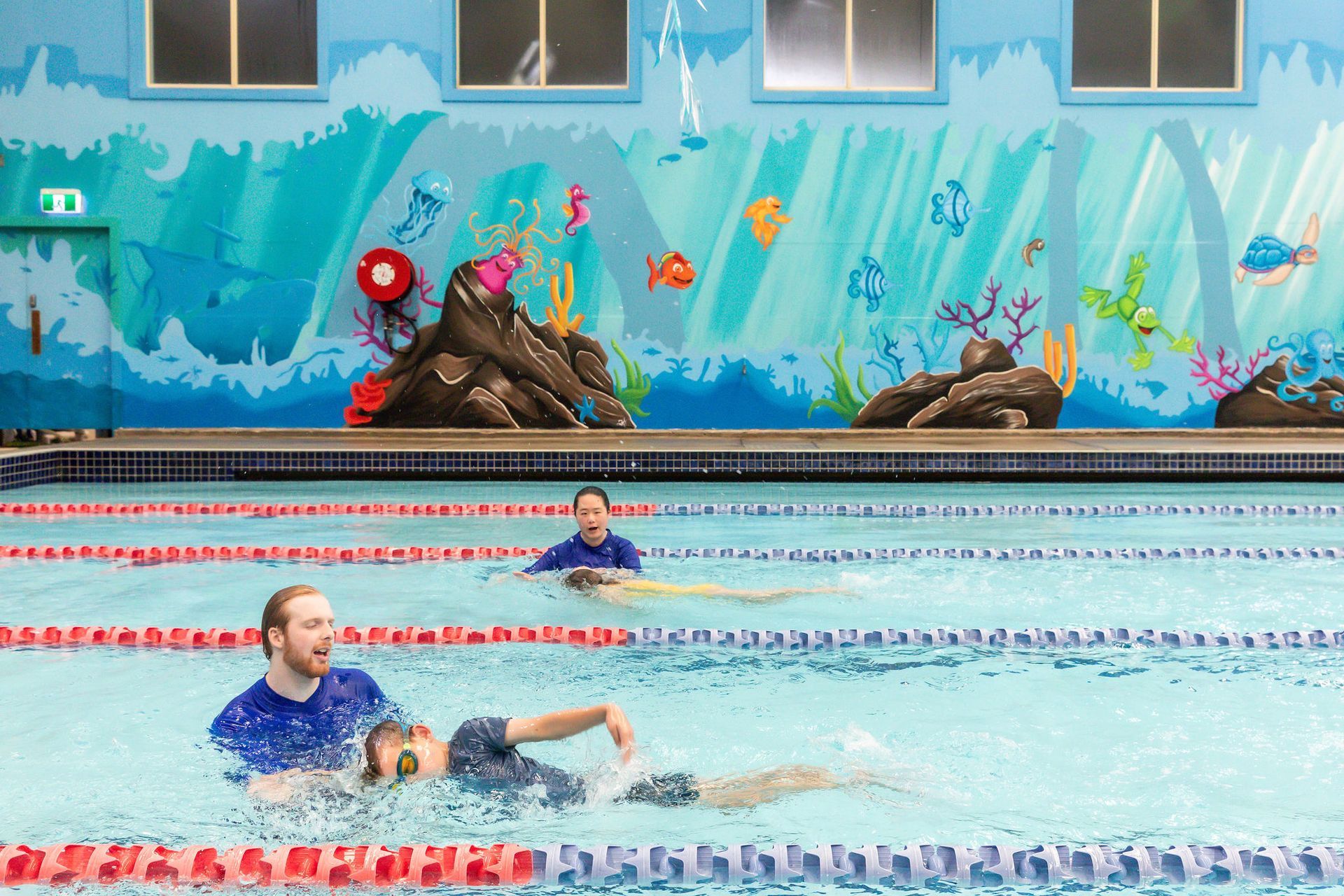
Col Jones Swim Tempe has provided swimming instruction to families in the Inner West Sydney area for more than 50 years. The swim school offers heated pools, structured lesson programs, and beginner-focused environments designed to help younger swimmers feel comfortable and supported during lessons.
Programs are structured to support:
- water confidence
- safety awareness
- swimming progression
- emotional comfort
- long-term skill development
The school’s progressive teaching philosophy helps young swimmers develop confidence gradually while building essential swimming and water safety skills through consistent instruction and supportive learning experiences.
Benefits of Early Childhood Swim Lessons
| Development Area | How Swimming Helps |
|---|---|
| Water confidence | Builds comfort and familiarity |
| Water safety | Encourages safer pool behaviour |
| Coordination | Improves balance and movement control |
| Emotional development | Strengthens confidence and resilience |
| Physical development | Supports active movement and body awareness |
| Swimming progression | Builds long-term foundational skills |
Instructor Expertise
Written by the Col Jones Swim Team with experience helping young swimmers build water confidence, develop safety awareness, and strengthen foundational swimming skills through structured early childhood swim programs.
Final Thoughts
Early childhood swim lessons help children build confidence, coordination, safety awareness, and positive swimming habits that can support long-term development both in and out of the water.
Through structured progression and supportive instruction, children gradually become more comfortable and capable in aquatic environments while developing essential swimming skills.
At Col Jones Swim Tempe, early swim programs are designed to help young swimmers feel safe, supported, and confident while building strong foundations for lifelong swimming development.
Frequently Asked Questions
What age should children start swim lessons?
Many children benefit from starting swimming lessons during early childhood because early exposure helps build familiarity, confidence, and water safety awareness progressively.
Why are early childhood swim lessons important?
Early swim lessons help children develop confidence, coordination, safety awareness, and comfort around water while building foundational swimming skills gradually.
How do swim lessons build water confidence?
Confidence develops through repetition, supportive instruction, positive reinforcement, and gradual exposure to swimming activities in a familiar environment.
Do early swim lessons improve water safety awareness?
Yes. Structured lessons help children become more familiar with water environments while learning safer behaviours and foundational swimming skills.